Jammin Stories
The Stories and Music That Keep Us Playing
Every jam has a story. Some end with half the players gone early and the Jam Organizer wondering if it’s worth the effort. Others end with everyone asking when the next one is. These are the stories from musicians who made the switch, and what changed once they did.
The Venue That Stopped Printing Money
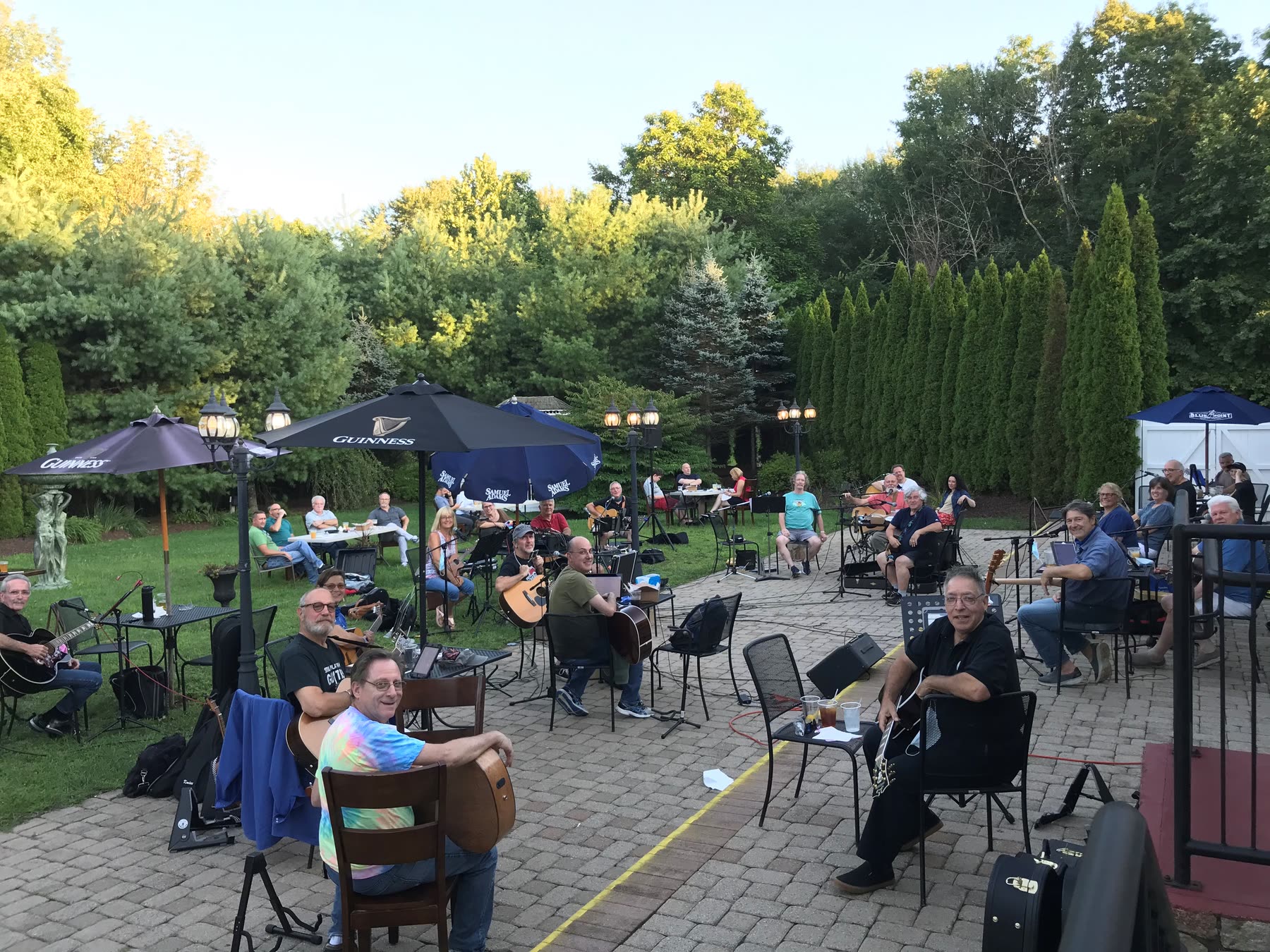
A local venue was spending over $200 every month printing song sheets and lyric handouts for its weekly jam. Every week, someone had to gather the songs, format the lyrics, run to the print shop and staple packets together. By the time the jam started, the pages were crumpled, marked up or missing.
They started using Jamming Junction and the paper costs went away. Not trimmed. Gone. Everyone pulled up the same chart on a phone or tablet. No printer runs. No staples. No hunting for the missing verse three.
The bigger surprise came during the sessions. Song selection, which used to stall on key debates and “does anybody have the chords for this one,” took 40% less time. That time went back into playing. The setlist flowed and the energy held.
I don’t know what you changed, but this feels like a real show now.
One of the regulars, to the Jam Organizer
The Jam That Got It Right From Day One
A group starting a new jam had one thing going for them. They knew what they didn’t want. They’d all come from sessions where the same few players ran the song list while everyone else sat and waited. They wanted something better.
So they built the jam on Jamming Junction before the first session. Players requested songs, saw the setlist ahead of time and showed up knowing what to expect. No confusion. No wasted setup. Nobody sitting idle while a guitarist stretched out a solo no one asked for.
Against the manual way they’d run things before, engagement jumped 60%. People stayed for the whole session. New players kept coming back. The founders said it felt less like an open mic and more like hosting a concert.
They haven’t looked back.
What the Players Are Saying
The written testimonials we’ve gathered so far land on two themes: service quality and results. Notice what musicians don’t mention. They don’t talk about features. They talk about what changed.
One Jam Organizer said the platform took the stress out of hosting. Another said players actually showed up prepared instead of cold. A third pointed to the energy in the room, how it felt alive rather than scattered.
These aren’t grand transformations. They’re the small shifts that stack up: fewer no-shows, better song flow, less time coordinating and more time playing. The kind of change that makes a Wednesday night feel worth the drive.
The Pattern We Keep Seeing
The musicians who get the most out of Jamming Junction tend to share a few things. They were already running or attending jams, so they knew exactly what wasn’t working. They were tired of the chaos but they didn’t want to walk away from the music. And they were willing to try a new approach to get it back.
That’s Billy. He’s in his 50s or 60s, been playing most of his life, cycled through a few cover bands. He started hosting jams because life keeps getting shorter and he wanted more time making music with people who love it. Then he hit the walls every Jam Organizer hits: unreliable turnout, skill mismatches, equipment confusion, scheduling headaches. He didn’t sign up to be an unpaid event coordinator. He wanted to play. There’s a whole page on how Jam Organizers like Billy use the platform if that’s you.
That’s Jane too. She’d been showing up to a local jam for months while the same vocal players kept taking over. Overplayed classics, long solos, no structure. She sat idle for 15 to 20 minutes at a stretch. She was close to leaving or starting her own. If you’ve felt that, here’s what players get from structured jams.
Both of them found the same thing. Sessions where everyone plays, song choices that mix it up, clear communication and far less time lost to logistics.
The Honest Part
Not every jam needs a platform. Three friends in a garage once a month who know the setlist by heart? You’re fine. If your group texts work and nobody’s frustrated, keep doing what you’re doing.
But if you spend more time coordinating than playing, if people keep showing up unprepared, if the same songs circle back every week and folks leave early, this is built for you. We’ve watched it work across 12 years of running events and helping jams get organized. The pattern holds. The jams that adopt a system stop leaking energy to logistics and put it back into the music. You can see everything the platform does on the features page.
More Stories Coming
We’re just getting started with these. Over the next few months we’ll share more stories from Jam Organizers and players who used Jamming Junction to turn their sessions around. Some will zero in on a single problem like turnout or communication. Others will dig into the numbers: faster song selection, better engagement, fewer conflicts.
If you run a jam and you’ve got a story about what changed when you brought in better tools, we’d love to hear it. Real experiences from real musicians help other Jam Organizers picture what’s possible.
Questions About the Stories
How do I know if my jam needs a platform like this?
If you spend more time coordinating musicians than playing music, if people show up unprepared, if the same songs keep repeating or if you’re running everything through scattered group texts, you’re a good fit. The jams that gain the most are the ones where the Jam Organizer spends the night running logistics instead of playing, and players are worn out by the lack of structure.
What results should I expect in the first month?
Jam Organizers usually see faster song selection and cleaner communication within the first few sessions. The bigger shifts, like better turnout and higher engagement, tend to show up once players trust that the schedule and setlist won’t change at the last minute. Give it three to four sessions to see the full effect.
Do participants have to pay to use the platform?
No. The Jam Organizer pays for one location plan that includes a set number of active jammers. Invited musicians are not billed separately by Jamming Junction. Check our plans and pricing to see what fits your session size.
Can I use this for a jam that’s already established?
Yes. The stories above show established jams that switched over and saw quick improvements. You don’t start from scratch. Bring your existing song list, invite your current players, keep the same schedule. The platform handles the logistics you’re already managing by hand.
Every Jam Has a Story
Musician? Ask your local Jam Organizer whether your group already has a Jamming Junction location.