For Jam Organizers
You Started a Jam to Play Music, Not Manage It
You’ve been playing 30 years. You’ve cycled through 3, maybe 5 local bands. You started hosting jams to get the vibe back, the feeling of playing with people who love it as much as you do. Instead you’re sending texts at 10 p.m. asking who’s bringing an amp, printing lyric sheets, and wondering why half the group bailed an hour before start time.
That’s not what you signed up for. You’ve got the skills, the gear, and finally the time. What you don’t have is a system that keeps everyone on the same page without turning you into an unpaid event coordinator.
A Wednesday Night Without the Right Tools
You send a text Tuesday asking who can make tomorrow. Three people reply. Two more answer Thursday morning, after the jam already happened. Someone shows up with a capo but no idea what key you’re in. Another player asks if you’ve got chords for a song nobody prepared. By 8:30 you’re scrambling to pick something everyone knows, and “Mustang Sally” circles back for the fourth week running.
The session that should feel like a band practice feels like crowd control instead. Players sit idle while two guitarists debate G or A. The energy drains. Phones come out. A couple leave early, and you’re left wondering if they’ll be back next week.
You wanted collaboration. You got logistics.
What Jam Organizers Do With Jamming Junction
Jamming Junction gives you one place for everything that’s currently spread across group texts, email threads, and crumpled printouts.
01
Set Your Recurring Jam Dates
You pick the schedule once. Every Wednesday at 7. First Saturday of the month. Whatever rhythm fits. The platform sends reminders to everyone registered for your location, so you’re done chasing people down the night before.
02
Build a Setlist Everyone Sees First
Pull songs from the 5,000+ chart library or add your own. Assign keys, mark who’s singing lead, note if someone needs a capo. Your players see the setlist days ahead and can request changes or flag songs they’re not ready for. No surprises. No “what are we playing tonight?” burning the first 20 minutes.
03
Share Charts Players Can Follow
Every song comes with chord charts and lyrics in a format built for jamming, not for a music stand. A bassist who’s never heard the song can follow along from the first note. You can dig into how it works over on the features page.
You’re done printing. You’re done watching players squint at phone screens mid-song. Everyone has the same chart, and it reads clean.
04
Keep Coordination in One Thread
Group messaging lives inside the platform, so all the session chatter stays in one place. Someone asks about parking? The answer’s there for the next person. A player can’t make it? They tell the group without kicking off a separate text chain. You see who’s confirmed, who’s a maybe, and who hasn’t answered.
05
Know Who Shows Up Prepared
Players register for your location and mark which songs they know. You can see instrument preferences and whether someone’s game to try lead vocals or wants to stick to rhythm. When you build a setlist, you’re working with real information instead of guessing who knows what.
If your jam’s filling up or you want to hold it to a certain range, you control the invite list. Want it open to anyone local? That works too. It’s your call.
Jamming Junction Can Easily Pay for Itself
For many Jam Organizers, the cost of Jamming Junction can be offset simply by charging a small participation fee at each jam.
A $5 or $10 jam fee can quickly cover the cost of the platform while also helping with other expenses such as room rental, refreshments or supplies.
Once musicians experience a jam that is better organized, easier to prepare for, and spends more time playing instead of sorting out songs and logistics, that small fee is much easier to understand.
A few dollars per player can help fund a smoother, better-run jam for everyone.
The Real Cost Is the Jam That Falls Apart
Unreliable attendance kills momentum. Skill mismatches leave a beginner struggling while an advanced player checks out. Equipment confusion means you start 20 minutes late. And the loudest personality can turn the whole room into their stage.
Stack those week after week and people stop coming. You’re down to a core group of 3, maybe 4, and the energy that made this worth doing is gone. The time you carved out for something you love becomes another task you dread.
That’s the real cost. A jam that dies because the setup couldn’t hold it together.
What It Looks Like When a Jam Flows
Your players know the setlist before they walk in. They’ve seen the charts, worked the tricky changes, and confirmed they’re coming. You start on time because nobody’s hunting for a cable or arguing over what to play.
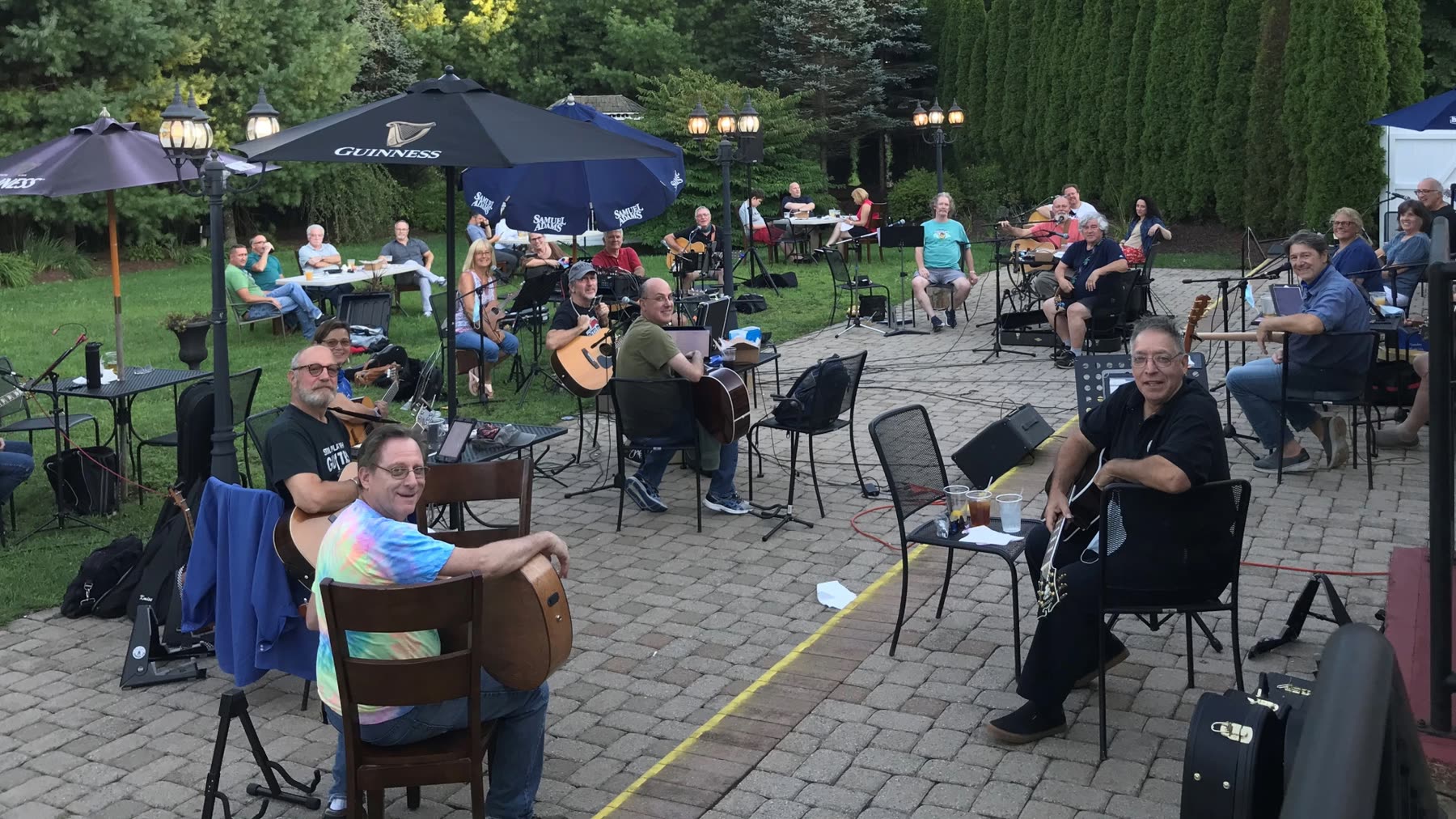
The first song flows. The second is better because everyone’s warmed up. You move through 12, maybe 15 songs in two hours, and every musician gets a moment. The bassist who usually sits quiet takes a lead line. The keys player pitches a song for next week and three people are already in.
Sessions end with energy instead of frustration. People hang around talking about the next one. You’re making music with friends, and it feels like what you pictured when you started this whole thing.
You’re Not After Perfect. You’re After Flow.
A jam will never run like a rehearsed set, and that’s not the goal. The goal is catching the creative spark that happens when musicians connect over a song they all love, without the mess that snuffs it out.
Jamming Junction won’t erase every hiccup. Someone will still forget a tuner. A player might roll in late. But you’ll have the structure to roll with those moments instead of letting them wreck the night.
The sessions won’t be flawless. They’ll be better. And when you’re giving up your Wednesday nights for this, better is what brings people back.
Questions Jam Organizers Ask
How do I get my current group to switch?
Start with one session. Build the setlist in Jamming Junction, send the link with the charts, and see how it lands. Once players see clear charts and know what’s coming, they tend to be sold. You’re solving a problem they’ve been feeling too.
What if my players aren’t tech-savvy?
It’s built for musicians who text and use Facebook, which covers your group. If they can follow a group thread, they can use this. And getting charts and setlists without printing or guessing makes the small learning curve worth it fast.
Can I control who joins, or is it open to anyone?
You decide. Keep it private and invite specific people, or open it to local musicians looking for sessions. If your space fits 8 and 12 sign up, you manage the list.
Do I load all the songs myself, or does the library cover what we play?
The library comes pre-loaded with 5,000+ charts across the styles jams tend to cycle through. Playing deeper cuts or originals? You can add those yourself.
What if someone requests a song I don’t want to play?
You build the setlist. Players can request songs and you’ll see them, but the final call is yours. If “Freebird” keeps coming up and you’re done with it, leave it off. You’re the Jam Organizer.